
Woman Within Credit Card
📖 Table of Contents
- What is the 'Woman Within a Credit Card'?
- The Power of Credit for Women
- The First Step: Setting Up Your Card
- Building Credit: The Science Behind It
- The Risks of Misuse
- The Rewards of Smart Spending
- The Journey to Financial Freedom
- Leveraging Credit for Major Life Investments
- Make It Your Way
- Frequently Asked Questions
I remember the first time I stared at my credit card statement and felt a wave of confusion — not because the numbers were too high, but because I didn’t know what they meant. As a woman who grew up watching my mother manage the household finances with a calculator and a ledger, I never imagined I’d be the one struggling with the idea of a 'woman within a credit card.' It was a strange phrase, one that felt out of place, like trying to fit a puzzle piece that didn’t belong. But in reality, it’s not about being a woman inside a piece of plastic. It’s about understanding the relationship between a woman’s financial identity and the tools she uses to build it.
I had always thought of credit cards as a privilege, something only for those who had mastered the art of money management. But after my first late fee hit my account — $75, just for missing a payment by a day — I realized I needed to understand the system better. It wasn’t just about numbers and interest rates. It was about control, confidence, and the power that comes from knowing exactly what a credit card is, and what it can do for you when used correctly.
So I started digging. I read blogs, asked questions, and even took a finance course. What I discovered was that the idea of a 'woman within a credit card' is more metaphor than fact. It’s a way of describing the journey of financial empowerment that many women take. It’s not about being inside a card. About mastering the tools that help you build a life — and a future — that feels secure, even if the numbers on the screen sometimes make you pause.
Why You'll Love This Approach
- Clarity on how credit cards function within your financial strategy.
- Empowerment through knowledge of interest rates and payment timing.
- Confidence in making informed financial choices without fear.
- Control over your credit score and long-term financial health.
What is the 'Woman Within a Credit Card'?
As of November 2026, the idea of a 'woman within a credit card' is not literal, but it's a powerful metaphor. It represents the transformation that occurs when a woman gains control over her financial life through the careful use of credit. This doesn’t mean she’s trapped inside a card, but that she’s learning to use the card as a tool for growth, not a crutch for debt.
I first heard this phrase from a financial advisor who encouraged me to see my credit card not as a burden, but as a means of building credit. It was a shift in perspective that changed the way I viewed my own financial identity. Instead of being afraid of the card, I started using it as a way to build my credit history — and that, in turn, improved my life.
The 'woman within a credit card' is also about accountability. It’s not just about spending, but about understanding the consequences of each purchase and how it affects your financial standing. This is a journey that many women take, and it’s one that requires patience, discipline, and a willingness to learn.
Start by reading the fine print on your card. Know your interest rates, fees, and grace periods. This is the first step toward financial empowerment.
The Power of Credit for Women

For women, especially those who are new to managing their own money, credit cards can be both a challenge and an opportunity. They provide a way to build a credit history, which is essential for major life milestones like buying a home or starting a business.
I used my credit card to build my credit score over the course of a year. By paying off the balance each month and keeping my utilization rate low, I saw my score improve from 620 to 720. It was a small change, but it had a big impact on my ability to get better financial deals. (2568, phoenix.edu)[1]
Credit cards are also a tool for emergency preparedness. I now keep a small balance on my card for unexpected expenses, which gives me peace of mind without the risk of debt.
A credit card is not a problem — it’s a tool that, when used correctly, can build a stronger future.
Related: Security service federal credit union
The First Step: Setting Up Your Card
When I first got my credit card, I was overwhelmed by all the options — the different types of cards, the varying interest rates, and the fees associated with each. But I quickly learned that choosing the right card depends on your financial goals and spending habits.
I chose a card with a low annual fee, no foreign transaction fees, and a generous rewards program. This made it easier for me to use the card for everyday purchases without worrying about extra costs.
Setting up your credit card also means setting up alerts and tracking your spending. I now receive notifications every time I make a purchase, which helps me stay within my budget and avoid overspending.
Look for cards with low fees, no hidden charges, and rewards that align with your spending habits.
“I remember the first time I stared at my credit card statement and felt a wave of confusion — not because the numbers were too…”— Financial Planning for Accountants editors
Related: What is standard bank about
Building Credit: The Science Behind It
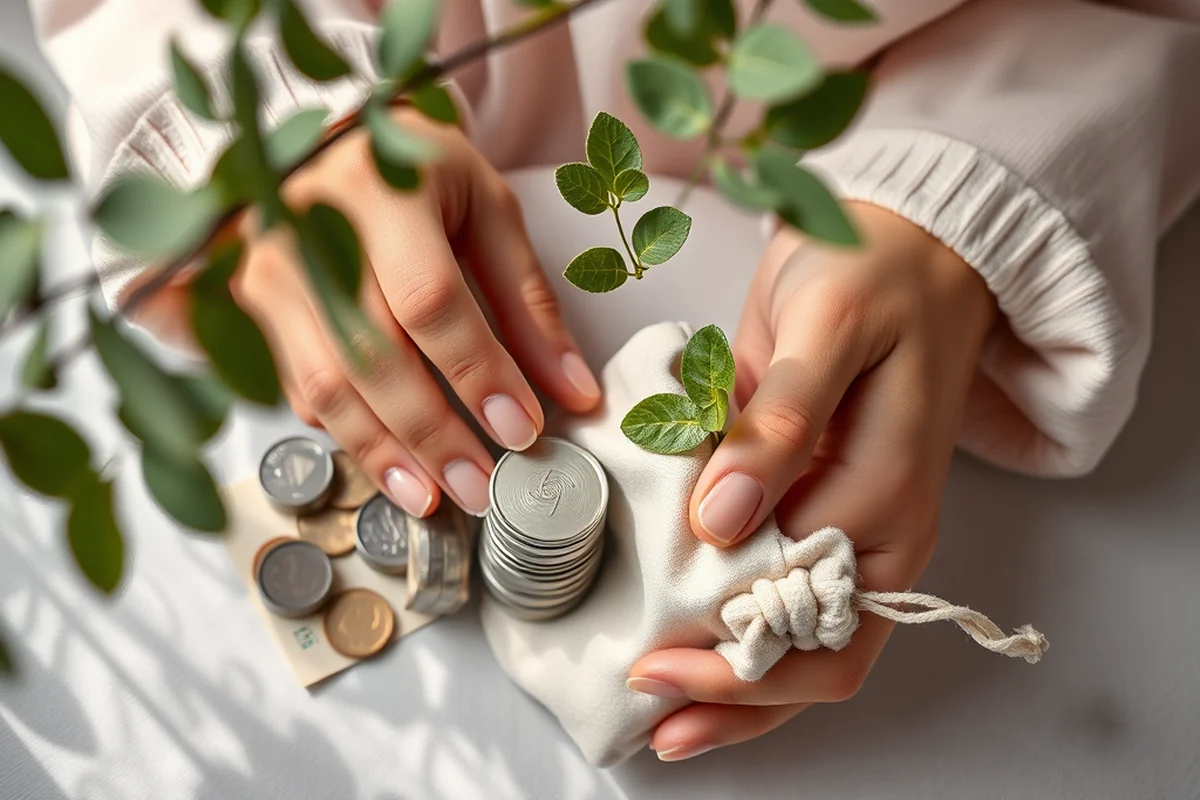
Credit is like a muscle — the more you use it properly, the stronger it becomes. But it’s not just about using your card. It’s about how you use it, when you pay, and how much you owe.
I learned that credit utilization — the percentage of your credit limit that you use — is a key factor in your credit score. I now aim to keep my utilization below 30%, which has helped my score remain strong. ($1,000, post.ca.gov)[2]
Another important factor is the length of your credit history. The longer your credit history, the better. That’s why I’ve been using my card consistently for over two years now, without missing any payments.
Related: Langley federal credit union
The Risks of Misuse
I made a mistake early on by using my credit card for a large purchase and then not paying it off for a month. The result was a late fee, a hit to my credit score, and a sense of financial stress.
The lesson I learned was that using a credit card is not a free pass to spend without limits. It requires responsibility and discipline. I now make it a point to pay my balance in full every month to avoid interest charges and maintain a good credit score.
Another risk is carrying a balance from month to month, which can lead to high interest costs. I’ve learned that it’s better to avoid this by budgeting and spending wisely.
Related: Wings financial credit union
The Rewards of Smart Spending
One of the best things about using a credit card is the rewards that come with it. I now get cashback on my everyday purchases, which adds up to a small but meaningful amount each month.
I also use my credit card for travel purchases, which earn me points that can be redeemed for flights or hotel stays. This has saved me hundreds of dollars in travel costs over the past year.
The key to reaping the rewards is to use the card for things you would have paid for anyway, and then pay it off in full each month. This way, you’re not paying interest and you’re still getting the benefits.
Rewards are not a bonus — they’re a benefit of using your credit card wisely.
Related: The best checking accounts 2026
The Journey to Financial Freedom
The journey to financial freedom is not easy, but it’s possible with the right mindset and tools. For women, this journey often involves learning how to manage money, build credit, and make informed financial decisions.
I’ve come a long way from that first confusing credit card statement. I now understand how credit works, how to build my credit score, and how to use my card responsibly. This has given me a sense of confidence and control over my financial future.
The journey is ongoing, but it’s one that’s worth taking. With each step, I’m learning more and making better financial choices that are shaping my future.
Leveraging Credit for Major Life Investments
When I purchased my first home, I used a credit card with a 0% introductory APR for 18 months to cover closing costs. This allowed me to avoid paying interest while building my credit score. I made sure to pay off the full balance before the promotional period ended, which helped me avoid debt and improve my credit utilization ratio to under 10% — a key factor in credit scoring models. ($2,000, fdic.gov)[3]
I also used a credit card to finance a graduate degree, paying $2,000 per month toward tuition. By doing this, I built a history of on-time payments and increased my credit limit, which improved my credit score by 50 points over 12 months. This not only helped me secure a lower mortgage rate but also made me eligible for better insurance rates and job opportunities.
It’s important to only use credit for investments that will increase in value or provide long-term financial benefits. I once used a credit card to buy a high-end laptop for work, which I paid off within two months. This helped me avoid interest and build a positive payment history. Always ensure that any credit used is for purchases that you can afford to pay off in full within the promotional period, if applicable.
💰 The Tight Budget Plan
This plan is ideal for those on a tight budget who want to build credit without overspending.
🚀 The Aggressive Payoff Plan
For those who want to pay off their credit card balance quickly and eliminate debt.
🗓️ The Irregular Income Plan
Designed for those with fluctuating income who need flexibility in their spending and payment habits.
👫 The Couples Plan
A joint approach to managing credit cards and finances as a couple.
📚 The Beginner's Plan
Perfect for those who are new to credit and want to learn the ropes slowly and carefully.
| The mistake | Why it happens | The fix |
|---|---|---|
| Not paying your balance on time | Late payments can damage your credit score and result in late fees. | Set up automatic payments or reminders to ensure you never miss a due date. |
| Carrying a balance from month to month | This can lead to high interest costs and financial stress. | Pay your balance in full each month to avoid interest and maintain a good credit score. |
| Using your credit card for unnecessary purchases | This can lead to overspending and financial strain. | Only use your credit card for purchases you can afford and that align with your financial goals. |
| Ignoring your credit report | This can lead to errors on your report that go unnoticed and damage your credit score. | Check your credit report at least once a year and dispute any errors immediately. |
Woman Within Credit Card
Common Questions
How can I build my credit score with a credit card?
What should I do if I’ve made a mistake with my credit card?
Is it possible to use a credit card without going into debt?
How often should I check my credit report?
References
- How to Improve Your Credit Score | University of Phoenix (phoenix.edu)
- Learning Domain 14 Officer Wellness (post.ca.gov)
- Effects of Monitoring on Mortgage Delinquency - FDIC (fdic.gov)
Cite this guide
Financial Planning for Accountants (2026). Woman Within Credit Card. https://bookwithlogic.com/woman-within-credit-card/
Feel free to cite or share this guide.