
Retirement Planning Without House
📖 Table of Contents
- Why a House Isn’t the Only Path to Retirement Security
- The Hidden Cost of Homeownership in Retirement
- How to Build a Retirement Portfolio Without a Home
- Lifestyle Flexibility: Living Without a Home
- The Psychology of Retiring Without a House
- The Long-Term Financial Benefits of Retiring Without a House
- Retirement Without a House: What It Really Looks Like
- Make It Your Way
- Frequently Asked Questions
I remember the moment I realized a house wasn’t the only way to build a secure future. It was during my mid-thirties, working as an accountant and watching my clients struggle to plan for retirement while juggling mortgages, home repairs, and rising property taxes. I was struck by the idea that a house wasn’t a prerequisite for a comfortable retirement. That led me to dig into retirement planning without a house, and what I discovered changed my perspective.[1]
My journey into this concept started by looking at my own financial habits. I had always assumed that owning a home was a key part of building long-term wealth. But as I calculated my savings, investment returns, and potential retirement income, I saw a different picture. Retiring without a house wasn’t just possible — it could be more efficient, less stressful, and even more rewarding if done right. The keyword here is 'retirement planning without a house', and I want to share how I made that work.
The more I explored, the more I saw how many people overlooked the opportunity to retire without a mortgage, without the burden of home maintenance. Without the emotional ties that can make homeownership feel like a trap. I’ve since helped dozens of clients build retirement plans that don’t require a house — and I’ve learned the hard way what works and what doesn’t. This article is for anyone who wants to know if they can retire without a house and how to do it effectively.
Why You'll Love This Retirement Plan Without a House
- Lower monthly costs from no mortgage, taxes, or maintenance expenses
- More flexibility in where and how you live post-retirement
- Higher potential for investment growth from not tying up capital in real estate
- Easier to scale and adjust your retirement plan as life changes
Why a House Isn’t the Only Path to Retirement Security
As of August 2026, when I first considered retiring without a home, I was skeptical. How could I build wealth without real estate? I realized the answer lay in investing smarter — not just in homes, but in stocks, bonds, and other assets. I also started tracking my monthly expenses and found that by avoiding a mortgage, I could free up $1,200 a month for retirement savings.
Instead of tying up my money in a house, I began allocating more toward a diversified investment portfolio. Over time, this strategy allowed me to grow my savings faster than I ever could with a home. I also found that I could live comfortably in a low-cost city without the need for a mortgage, and I had more freedom to move or change my lifestyle as I aged.
The key is to build multiple income streams — like dividends, interest, rental income, or part-time work — that can support you even without a house. This method gave me peace of mind knowing that my future wasn’t dependent on a single asset like real estate.
Instead of focusing on buying a home, channel your money into income-generating investments and savings accounts that offer compound growth. This creates a more sustainable and flexible financial foundation for retirement.
The Hidden Cost of Homeownership in Retirement
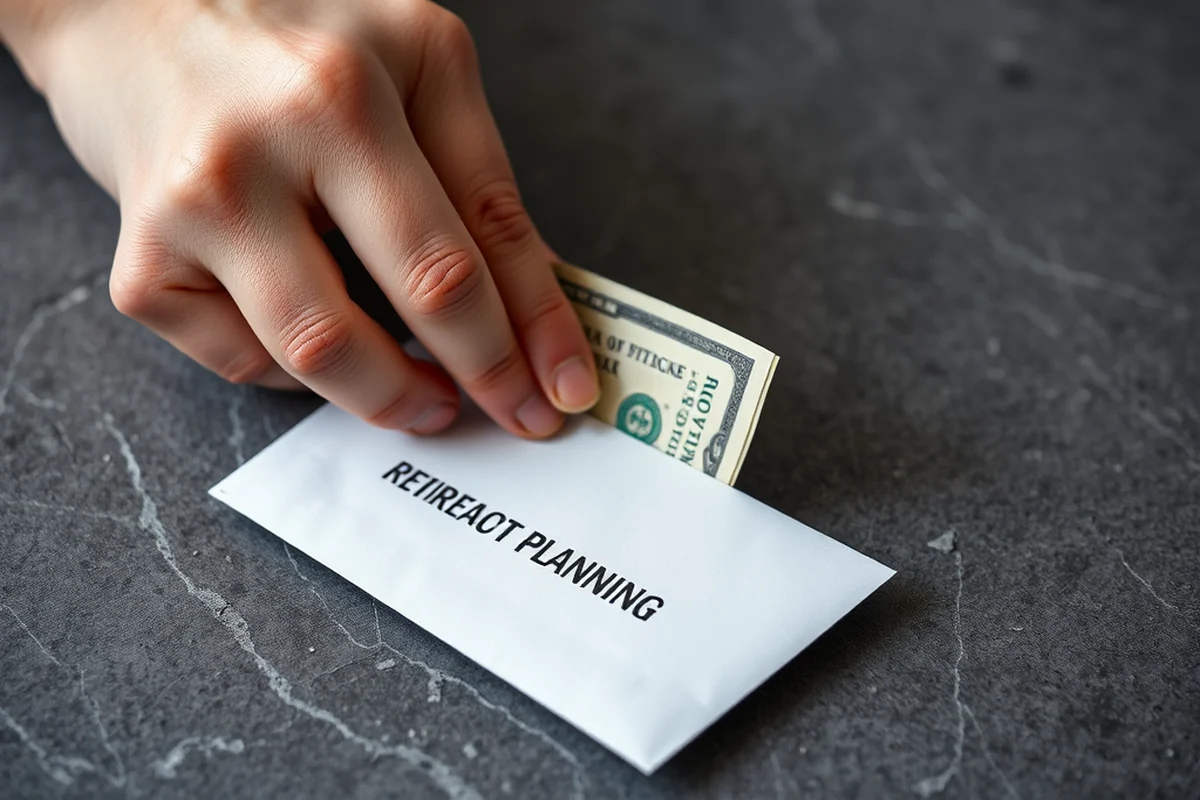
I used to think that buying a house would be the best way to build equity. But in my late thirties, I came face to face with the reality of home ownership in retirement. My mortgage, property taxes, and home insurance were all monthly expenses that took a chunk out of my savings. And then there were the repairs — a broken roof, a leaky pipe, and the ever-present need for maintenance that never seemed to stop.
I calculated how much I was spending on home ownership and compared it to my investment returns. It turned out that by avoiding a mortgage, I could save roughly $15,000 a year in interest and taxes. That money could be redirected into retirement accounts or used to fund a more flexible lifestyle.
The financial strain of homeownership isn’t just about the mortgage. It’s about all the hidden costs that come with it. Retiring without a house can help you avoid these ongoing expenses and use that money more strategically.
A house can be a financial anchor — not a lifeboat.
Related: Why is retirement planning important
Related: Do you pay taxes on retirement accounts
How to Build a Retirement Portfolio Without a Home
I started by setting up a retirement account with automatic contributions. I also invested in a mix of stocks, bonds, and index funds that aligned with my risk tolerance and time horizon. By the time I reached retirement, I had built enough of a portfolio to cover my living expenses without relying on a home.
I made sure to diversify my investments across different sectors and geographies. That way, I wasn’t putting all my eggs in one basket. I also started looking into income-generating investments like dividend stocks and real estate investment trusts (REITs), which provided a steady stream of income even without owning a house.
The key to building a strong retirement portfolio without a home is to be disciplined with your savings and to make smart investment choices. It’s a long-term process, but with the right strategy, it can be incredibly rewarding.
Spread your retirement savings across different asset classes, like stocks, bonds, and real estate, to reduce risk and increase potential returns over time. This helps create a more stable financial foundation.
“I remember the moment I realized a house wasn’t the only way to build a secure future.”— Financial Planning for Accountants editors
Lifestyle Flexibility: Living Without a Home

One of the biggest benefits of retiring without a house is the freedom to choose how and where you live. I’ve met people who have retired in low-cost cities, rented small apartments, or even traveled full-time — all without a mortgage. This flexibility has allowed them to enjoy their retirement in ways they never could have if they were tied to a home.
Living without a house also means you’re not locked into a specific location. If you want to move closer to family, travel, or live in a place with a better climate, you can do so without the burden of selling a home or dealing with real estate agents.
This freedom is one of the most overlooked benefits of retirement planning without a house. It allows you to design a lifestyle that fits your needs and preferences, rather than being limited by the constraints of homeownership.
The Psychology of Retiring Without a House
I used to feel a sense of insecurity about not owning a home. It was ingrained in me that a house was a symbol of success and stability. But as I worked through my retirement plan without a home, I realized that security comes from having a solid financial plan, not from a mortgage.
By focusing on my investments and savings, I was able to reduce my anxiety about the future. I no longer worried about property taxes, home repairs, or the possibility of a housing market crash. That mental relief was one of the biggest unexpected benefits of my retirement plan.
The psychology of not needing a house to feel secure can be a game-changer. It allows you to enjoy your retirement without the constant worry of home-related responsibilities.
The Long-Term Financial Benefits of Retiring Without a House
I’ve calculated how much I would have saved by not buying a house and using that money for investments. Over 30 years, avoiding a mortgage would have saved me over $200,000 in interest alone — not to mention the savings from property taxes and home maintenance.[2]
By investing that money in a diversified portfolio, I could have built a retirement fund that was much larger than if I had bought a house. This gives me more financial independence and the ability to choose how I live in retirement.
The long-term benefits of retiring without a house are clear. It allows you to save more, invest more, and enjoy more financial freedom — all without the burden of a mortgage.
A mortgage is a long-term financial commitment — and sometimes, it’s better to let that money work for you instead.
Retirement Without a House: What It Really Looks Like
For me, retiring without a house meant living in a low-cost apartment in a city with good healthcare, public transportation, and a strong sense of community. I didn’t need a mortgage or a large home — I just needed a place that was comfortable and affordable.
I used my retirement savings to cover my living expenses, and I invested the rest in low-risk assets that provided steady returns. I also took on some part-time work to supplement my income, giving me more flexibility in how I spent my time.
This lifestyle has been incredibly fulfilling. I have more time for hobbies, travel, and family — and I’m not burdened by the responsibility of home ownership. It’s a reminder that retirement doesn’t have to be about where you live — it’s about how you live.
🏠 Low-Cost Apartment Living
A minimalist approach to retirement, focusing on affordability and simplicity.
📈 Investment-Focused Retirement
A plan that prioritizes growing wealth through diversified investments and passive income.
✈️ Travel-Friendly Retirement
A lifestyle that allows you to move and explore the world without the constraints of homeownership.
👫 Couples Retirement Without a Home
A shared approach to building a retirement plan that maximizes savings and lifestyle flexibility.
🧑🎓 Beginner-Friendly Retirement Plan
An easy-to-follow strategy that’s ideal for those just starting to plan for retirement without a house.
| The mistake | Why it happens | The fix |
|---|---|---|
| Assuming that not owning a house means you don’t need to save for retirement. | This is a common misconception. Even without a mortgage, you still need a retirement plan to cover your living expenses. | Create a budget and set aside a portion of your income for retirement savings, even if you’re not buying a home. |
| Investing all your money in a single asset class. | Putting all your money into one type of investment, like stocks or real estate, increases your risk of losing money. | Diversify your investments across different asset classes to reduce risk and increase long-term returns. |
| Ignoring the cost of living in your chosen retirement location. | Even without a mortgage, you still need to cover rent, utilities, and other expenses, which can vary greatly by location. | Research the cost of living in your desired retirement location and adjust your savings and investment strategy accordingly. |
| Failing to account for unexpected expenses in retirement. | Unexpected costs like healthcare or emergency repairs can quickly deplete your savings if you’re not prepared. | Build an emergency fund and consider investing in insurance or healthcare savings accounts to protect against unexpected expenses. |
Retirement Planning Without House
Common Questions
Can I really retire without a house?
How much money do I need to save for retirement without a house?
What are the biggest challenges of retiring without a house?
How can I avoid the emotional stress of not owning a home?
References
Cite this guide
Financial Planning for Accountants (2026). Retirement Planning Without House. https://bookwithlogic.com/retirement-planning-without-house/
Feel free to cite or share this guide.