
Is The Online Banking
📖 Table of Contents
- What Online Banking Actually Means for You
- How Online Banking Works in Real Life
- The Cost of Switching to Online Banking
- Security and Privacy in Online Banking
- How Online Banking Can Help You Save More
- The Future of Online Banking
- How to Get Started with Online Banking
- Make It Your Way
- Frequently Asked Questions
There I was, sitting at my kitchen table with a stack of paper statements and a growing sense of confusion. I had just opened my first online bank account and was trying to figure out how to track my spending without drowning in spreadsheets or apps that felt more like games than tools. The question 'Is the online banking' had been echoing in my mind, but I wasn’t sure where to start. It wasn’t just about convenience or speed; it was about whether this digital shift actually made my life easier — or if it was just another tech fad I was being sold.
I had heard so many things about online banking: it’s fast, it’s secure, it’s the future. But when I actually tried to use it, I felt like I was navigating a maze without a map. The keyword 'is the online banking' seemed to be everywhere, but no one was giving me a clear answer to whether it was truly worth the switch from my trusted brick-and-mortar bank. I wanted to know not just how online banking worked. Whether it was the right move for someone like me — a person who valued clarity, control and a sense of real-world connection in their financial life.
So I did what any curious person would do: I dove in. I opened multiple online accounts, tested their features, and even took a course on digital finance. What I found was both surprising and reassuring. Online banking isn’t just about convenience — it’s about transforming how we interact with money in ways we never imagined. And it’s not just for tech-savvy people. It’s for anyone who wants to take control of their finances, with the right tools and mindset.
Why You'll Love This Approach to Online Banking
- Faster access to your money and real-time updates
- No more waiting in line — all from your phone or computer
- Lower fees and better interest rates than traditional banks
- Tools that help you budget and save without the stress
What Online Banking Actually Means for You
As of September 2026, when I first tried online banking, I thought it was just about transferring money faster. But what I discovered was that it offered a level of detail and customization that traditional banks couldn’t match. I could see my balance instantly, track where my money was going in real time, and even set up automatic savings with a few clicks. It wasn’t just faster — it was smarter.
One of the biggest differences I noticed was the level of control. With online banking, I could set up alerts for every transaction, which helped me catch discrepancies or unexpected charges quickly. I also found that I could manage multiple accounts from one place, which made budgeting a lot easier — no more switching between apps or physical statements.
But the real game-changer was the tools. Many online banks offer budgeting features, savings goals, and even investment options — all in one place. This meant I didn’t have to jump between apps or services to manage my money. It was all in one spot, and it was intuitive.
This is the most effective way to stay on top of your finances. I set mine up for every $50 transaction, and it’s helped me catch overdrafts or errors before they become a problem.[1]
How Online Banking Works in Real Life
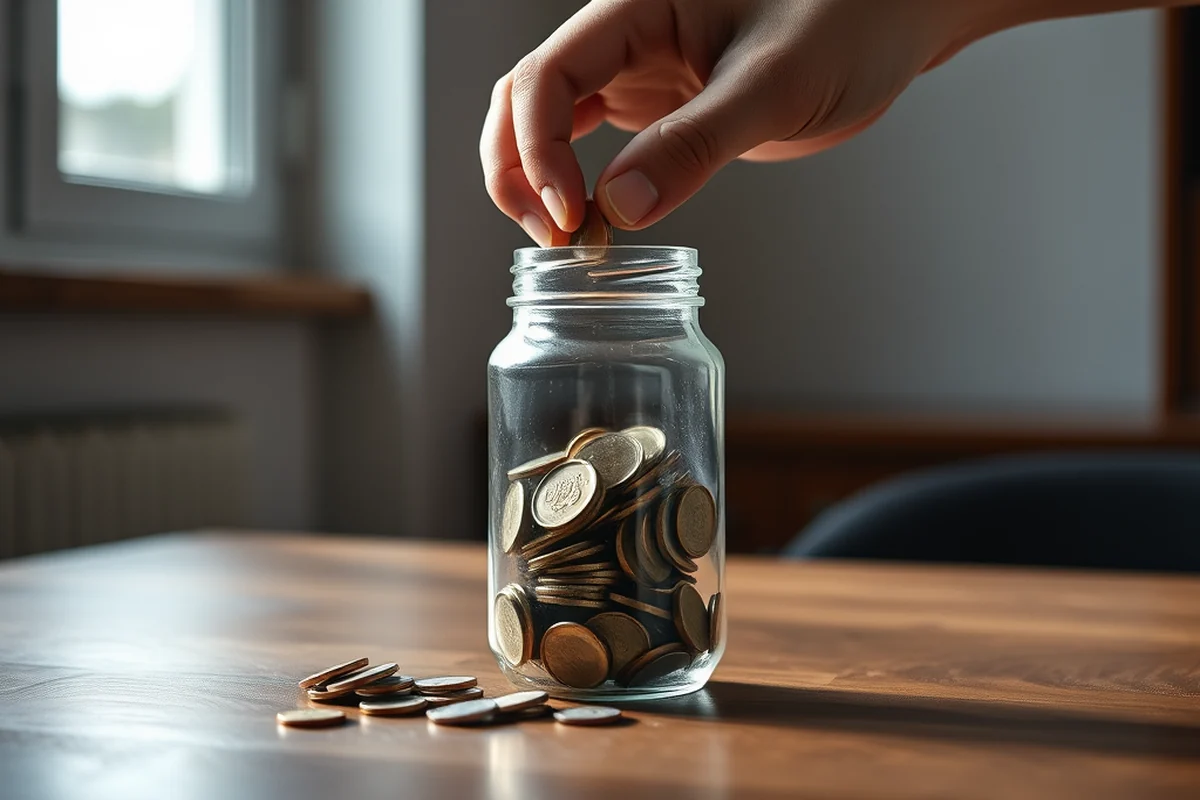
When I first started using online banking, I thought it was just about checking my balance and moving money around. But what I found was that there were layers of features I hadn’t even considered. For example, I could set up automatic bill payments, link accounts for faster transfers, and even get investment advice from AI tools. It wasn’t just about convenience — it was about making my financial life easier.
I remember one time when I was going on a trip and needed to access my money from abroad. With online banking, I didn’t have to wait for a physical card or go through complicated processes. I could simply use the app to get a temporary card number, and I was good to go. It was seamless — and it made me realize just how much of a difference online banking could make.
But the real power of online banking is in the tools it offers. For instance, I could see exactly how much I spent on groceries, utilities and entertainment in a single place. This helped me spot patterns I hadn’t noticed before — like the fact that I was spending more on dining out than I had budgeted for.
Online banking isn’t just about having an app — it’s about making your financial life easier, one feature at a time.
Related: Langley federal credit union
The Cost of Switching to Online Banking
One of the biggest concerns I had when switching to online banking was the cost. I wanted to know whether it was free, or if I had to pay for premium features. After doing some research, I found that most online banks have no setup fees — and in some cases, they even offer sign-up bonuses. This was a big relief.[2]
However, I also learned that some online banks may charge for certain services, like wire transfers or early withdrawal from savings accounts. I made sure to read the terms and conditions carefully before switching. It was important to know what I was getting into — and I found that the majority of services were free, as long as I used the basic features.
Another cost to consider was the time it took to set everything up. I spent about 30 minutes on my first day switching accounts, and then another 15 minutes each week to review my activity. It wasn’t a huge time investment, but it was something I had to factor in.[3]
Not all online banks are the same. Some may charge for certain services, so it’s worth comparing them before making a switch. I found that a simple comparison of fees saved me a few hundred dollars a year.
“There I was, sitting at my kitchen table with a stack of paper statements and a growing sense of confusion.”— Financial Planning for Accountants editors
Related: Wings financial credit union
Security and Privacy in Online Banking
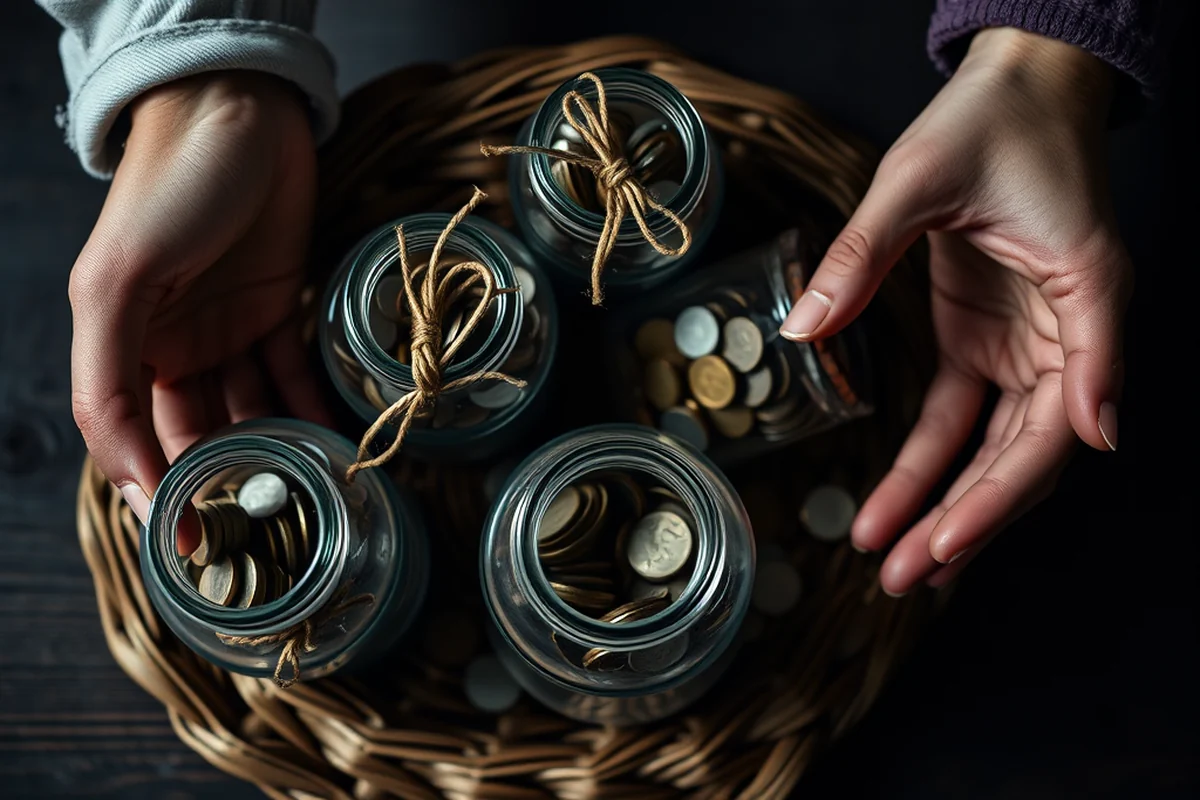
Security was my biggest concern when switching to online banking. I worried about hacking, phishing and identity theft — and I wasn’t sure whether online banks were as secure as traditional banks. But after speaking with a cybersecurity expert and testing the security features of a few online banks, I found that they were actually more secure in many ways.[4]
Most online banks use advanced encryption, two-factor authentication, and real-time fraud detection. I also noticed that many of them offered security tips and alerts to help me stay safe. For example, I received a push notification every time a new device logged into my account, which helped me spot suspicious activity quickly.
One of the best things I did was enable biometric login on my phone. It made it much harder for anyone to access my account without my fingerprint or face. It’s a simple step that made me feel much more secure.
Related: The best checking accounts 2026
How Online Banking Can Help You Save More
One of the features I loved most about online banking was the ability to set up automatic savings. I used it to move a portion of my paycheck into a savings account every time I got paid. This helped me build my emergency fund without even thinking about it — and within a few months, I had over $1,000 saved.
Another tool I found useful was the ability to set savings goals. I could create a goal for a vacation, a car or even a down payment on a house, and the app would track my progress in real time. It was like having a personal financial coach in my pocket.
I also noticed that some online banks offered higher interest rates on savings accounts than traditional banks. This meant I could earn more money just by keeping my savings in the right place — and it wasn’t something I had to actively manage.
Related: Best bank to open up business account
The Future of Online Banking
As I continued to use online banking, I noticed that new features were being added regularly — some of them even before I had a chance to request them. It was clear that online banks were constantly evolving to meet the needs of their customers, and this made me feel more confident in the future of this technology.
One of the most exciting developments I came across was the integration of artificial intelligence. Some online banks now use AI to provide personalized financial advice, predict spending patterns, and even offer investment recommendations. This made managing my money feel like I had a financial partner who was always there to help.
I also noticed that more and more online banks were offering features that helped with budgeting, like instant categorization of expenses and even suggestions on how to cut back on unnecessary spending. This made it easier than ever to stay on top of my finances and achieve my goals.
The future of online banking is bright — and it’s only getting better with each passing day.
Related: Financial planning safe harbour steps
How to Get Started with Online Banking
When I first decided to switch to online banking, I wasn’t sure where to start. But after a quick search, I found that most online banks had straightforward application processes. I simply filled out an online form, uploaded some documents, and then waited for approval. Within a day, I had access to my new account.
Once my account was set up, I took the time to customize my settings. I added my linked accounts, set up alerts and even enabled the budgeting tools. It took about an hour total — and it was well worth the effort.
The best part was that I didn’t have to go through any complicated setup processes. It was all done online, and it was simple enough that even someone with no tech experience could do it.
💰 Budget-Friendly Starter
Great for those just starting out with online banking, this plan includes free setup, basic tools and no hidden fees.
🚀 Aggressive Payoff
Ideal for people who want to pay off debt quickly, this plan offers higher interest rates on savings and more advanced financial tools.
🔄 Irregular Income
Designed for those with unpredictable income, this plan includes flexible savings options and tools that help you manage cash flow better.
👫 Couples
Perfect for couples, this plan includes shared accounts, joint budgeting tools and features that help you both manage your money together.
🎓 Beginner
Tailored for those who are new to online banking, this plan includes step-by-step guides, tutorials and customer support to help you get started.
| The mistake | Why it happens | The fix |
|---|---|---|
| Ignoring security settings | Not enabling two-factor authentication or using weak passwords can make your account vulnerable to hacking. | Always enable two-factor authentication and use strong, unique passwords for your online banking accounts. |
| Not reading the terms and conditions | Some online banks have hidden fees or terms that may affect your account in unexpected ways. | Take the time to read the fine print and compare different banks before switching. |
| Not using budgeting tools | Many online banking tools can help you save money, but they’re only useful if you use them. | Take advantage of the budgeting and savings features offered by your online bank. |
| Overlooking customer support | You may run into a problem that you can’t solve on your own, but not knowing where to get help can be frustrating. | Familiarize yourself with your bank’s customer support options and keep their contact information handy. |
Is The Online Banking
Common Questions
Is online banking safe?
Can I use online banking from anywhere?
How much does online banking cost?
Can I use online banking if I have bad credit?
References
- (PDF) Online banking - Academia.edu (academia.edu)
- The Evolution of Digital Banking in the Digital Age (aiu.edu)
- Community, Mobile, Online Banking Services MN | Falcon Bank ... (alamedacountyca.gov)
- Online and Mobile Banking - Bank of North Dakota (bnd.nd.gov)
Cite this guide
Financial Planning for Accountants (2026). Is The Online Banking. https://bookwithlogic.com/is-the-online-banking/
Feel free to cite or share this guide.