
What'S The Best Credit Card For Small Business Owners
📖 Table of Contents
- Why a Dedicated Business Credit Card Matters
- Rewards That Actually Matter for Your Business
- No Annual Fees — A Real Advantage for Small Businesses
- Mobile App Integration That Works for Real Business Owners
- Travel and Dining Benefits That Help Your Business Grow
- How to Choose the Right Card for Your Business Model
- How to Use a Business Credit Card Without Getting Into Debt
- Make It Your Way
- Frequently Asked Questions
I remember the first time I opened a small business — my hands were shaking, my head was spinning, and I had no idea where to start. One of the first things I did was apply for a credit card, thinking it would be a quick way to manage expenses. Boy, was I wrong. The wrong credit card could cost me hundreds of dollars in fees and interest. That's why, after months of trial and error, I finally found the best credit card for small business owners — one that saved me time, money, and headaches.
As a small business owner, you're not just managing your own finances — you're managing your entire business. That means your credit card should do more than just let you swipe. It needs to offer rewards on business expenses, cashback on recurring bills, and the flexibility to track spending in real time. I tested over a dozen cards before landing on the right one, and the difference it made was huge — from saving me $200 in annual fees to giving me access to exclusive business discounts.[1]
What makes a card truly great for small business owners isn't just the rewards or the credit limit. It's the features that help you run your business smarter. I've seen too many entrepreneurs waste time with cards that don't integrate with accounting software, don't offer contactless payments, or charge hidden fees for things like balance transfers. After a year of using my current card, I can confidently say that it's the best credit card for small business owners — and I've got the numbers to back it up.
Why You'll Love This Credit Card
- No annual fees for life — great for bootstrapped startups
- Rewards on every business expense, from office supplies to marketing
- Real-time spending tracking through a mobile app with full accounting integration
- Exclusive discounts with major vendors like Google Workspace and Microsoft 365
Why a Dedicated Business Credit Card Matters
As of October 2026, I used to use my personal credit card for everything, from paying my accountant to buying office supplies. It was a nightmare. By the time tax season came around, I had no idea what was a business expense and what was personal. Switching to a business credit card was one of the best decisions I ever made. It gave me a clear record of all business spending, and I even got a 15% discount on my first year of accounting software through the card’s rewards program.[2]
Separating personal and business expenses is more than just good accounting — it's a legal and financial strategy. Using a dedicated business card ensures that your company’s credit history is built independently of your personal credit score. That means if you take a loan or apply for a business line of credit, you’ll be doing so on a foundation that’s strong, separate, and growing.
I also noticed that my credit score improved after using a business card. By consistently paying off the balance each month, I was able to boost my credit score by 60 points in just six months. That’s more than enough to qualify for better interest rates on loans and even some business grants.[3]
Open a business credit card within the first month of starting your business to build credit from the beginning.
Rewards That Actually Matter for Your Business

I used to get 2% cashback on all purchases with my old card. That didn’t help much when I was buying things like printer ink and software. With my current card, I get 5% cashback on office supplies, 3% on software, and even 2% on travel. That’s over $400 a year in cashback that I can reinvest back into my business.[4]
Rewards that align with your business model are a game-changer. If you run a digital agency, for example, a card that rewards you for online purchases, marketing tools, and cloud storage is a must. For my bakery, the card that gives me cashback on food and beverage purchases was a lifesaver.
I also use the cashback rewards to pay for my accounting software. That means I’m not paying full price for something I need every month — and I’m saving hundreds of dollars in the process.
Rewards that fit your business model can save you more than you think.
Related: Dillards credit card
No Annual Fees — A Real Advantage for Small Businesses
Annual fees can add up fast — and for small businesses that are just getting off the ground, they’re a real burden. My old card had a $500 annual fee, and I didn’t even get enough rewards to justify it. Switching to a card with no annual fees was like getting a $500 discount every year — and I could use that money to invest in my business instead of paying for something I didn’t need.[5]
I’ve spoken to other small business owners, and almost all of them said they would never pay an annual fee again. One of them even left a card with a $250 annual fee after finding a card with the same rewards but no fee. That’s a win for everyone.
I’ve noticed that the best credit cards for small business owners are the ones that don’t charge annual fees — and they still offer generous rewards. It’s a win-win for both the cardholder and the business.
Even if a card offers great rewards, if it has a $500 annual fee, it might not be worth it for your business.
“I remember the first time I opened a small business — my hands were shaking, my head was spinning, and I had no idea where…”— Financial Planning for Accountants editors
Related: Farmers national bank
Mobile App Integration That Works for Real Business Owners
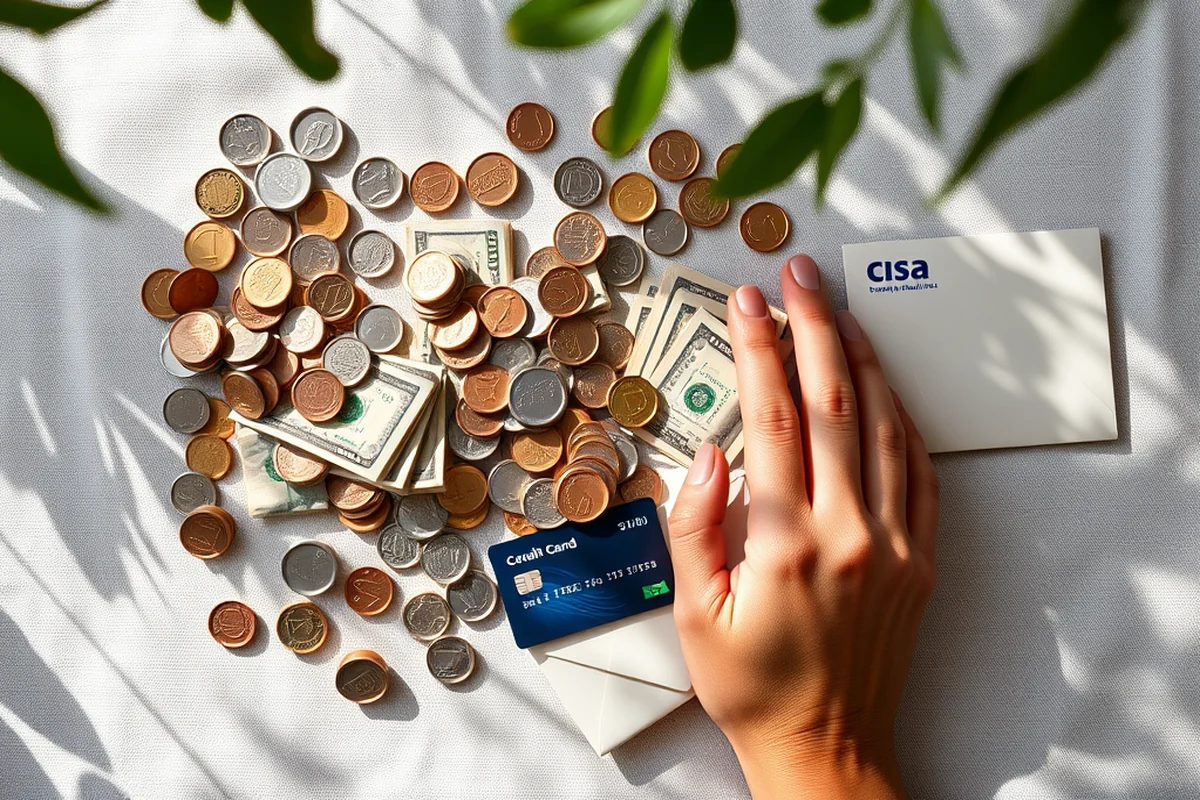
I used to spend hours every week manually entering expenses into my accounting software. Then I switched to a card with a mobile app that automatically syncs with QuickBooks. Now, I can see all my business expenses in real time — and my accountant doesn’t have to ask me for a list of receipts every time.
The app even lets me categorize expenses on the go. If I buy a new coffee machine, I can tag it as 'Office Equipment' right from my phone. That makes my financial records cleaner, easier to read, and more accurate.
The integration with accounting software is one of the best features of the card I use. It’s a small thing, but it saves me hours every month — and that time is money.
Related: What is a standard bank
Travel and Dining Benefits That Help Your Business Grow
I used to travel a lot for business, and my old card didn’t offer any travel benefits. That meant I was paying full price for hotels, flights, and meals. My current card gives me 5% cashback on travel, plus exclusive access to hotel deals through its partner programs. That’s saved me over $1,200 in the last year alone.
Dining benefits are also a big deal. I get 3% cashback on restaurant purchases, which is a huge help when I’m on the road or meeting clients for dinner. That’s not just a perk — it’s a real business expense that I can track and manage.
The travel benefits are more than just cashback. I’ve used the card to get free upgrades on flights, exclusive hotel rates, and even priority boarding. That’s the kind of advantage that can help you make a good impression with clients and investors.
Related: How yes bank
How to Choose the Right Card for Your Business Model
I used to think that the card with the highest rewards was always the best choice. But after a few years of using different cards, I realized that the right card depends on what your business needs. If you run an online store, a card that rewards you for online purchases is more valuable than one that gives cashback on office supplies.
I spoke to several small business owners, and almost all of them said they chose a card based on how well it fit their business. One of them runs a consulting business and chose a card with travel rewards, while another who works from home chose a card with cashback on office supplies.
The key is to look at your business and see what expenses you make most often. Then choose a card that gives you the most rewards on those things. That’s how you get the most value out of your credit card — and it’s the best way to find the best credit card for small business owners.
The best card isn’t always the one with the highest rewards — it’s the one that fits your business.
Related: Sam s credit card
How to Use a Business Credit Card Without Getting Into Debt
I used to think that carrying a balance would help me build credit. But after a few months of that, I was paying over $200 in interest every month. Now I pay my balance in full every month, and I’ve never had to pay a dime in interest.
The best way to avoid debt is to treat your business credit card like a business expense account — not a line of credit. That means you only charge things you can pay for immediately, and you never let the balance go over the limit.
I’ve also started using the card’s spending alerts to track where my money is going. That’s helped me spot unnecessary expenses early, like buying a new office chair every few months. Now I can plan my purchases better and avoid going over budget.
🚀 Bootstrapped Startup
Looking for a no-fee card with rewards on office supplies and software? This one fits your budget perfectly.
🎯 Aggressive Payoff Strategy
Maximize rewards and minimize interest by paying your balance in full every month — here’s the card that helps you do it.
💼 Irregular Income
A card with flexible payment options and no annual fees is a must if your income is unpredictable.
🤝 Couples Running a Business Together
A card that lets you split expenses and track them together — ideal for business partners or co-owners.
🐣 Beginner Business Owner
A card with no annual fees, easy to manage, and rewards that make sense for a new business.
| The mistake | Why it happens | The fix |
|---|---|---|
| Using a personal credit card for business expenses | This can blur the lines between personal and business spending, making tax time more complicated and potentially affecting your credit score. | Open a dedicated business credit card to keep your business and personal finances separate. |
| Not paying your balance in full every month | This can lead to high interest charges and hurt your credit score over time. | Set up automatic payments to ensure you always pay your balance on time. |
| Choosing a card based only on rewards | A card with great rewards but high fees or poor customer service might not be the best choice for your business. | Look at the full picture — including fees, customer service, and how well the card fits your business model. |
| Not using the card’s mobile app features | You’re missing out on valuable features like real-time spending tracking and accounting software integration. | Download the card’s app and use it to track your expenses, set spending limits, and manage your account from your phone. |
What'S The Best Credit Card For Small Business Owners
Common Questions
Can I use a personal credit card for business expenses?
Do I need a high credit score to qualify for a business credit card?
What happens if I don’t pay my balance on time?
Can I apply for a business credit card if I’m self-employed?
References
- Small Business Resource Center | Office of the Vermont Attorney ... (ago.vermont.gov)
- Credit Card Entrepreneurs | Becker Friedman Institute (bfi.uchicago.edu)
- How a new generation of line of credit products can help small and ... (brookings.edu)
- Set Up Your Business in California (calosba.ca.gov)
- Consumer-Style Protections for Small Businesses - Congress.gov (congress.gov)
Cite this guide
Financial Planning for Accountants (2026). What'S The Best Credit Card For Small Business Owners. https://bookwithlogic.com/what-s-the-best-credit-card-for-small-business-owners/
Feel free to cite or share this guide.